11,000+ YEARS OF HISTORY

Our Journey Through Time

From pre-Columbian presence to the modern identity reclamation movement — every era documented, every milestone recorded.

11,000+ BC

Pre-Columbian Presence

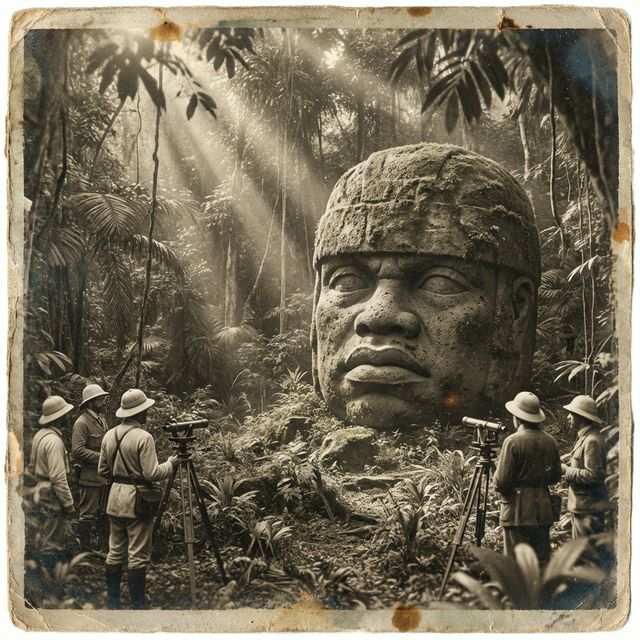
Archaeological expedition documenting Olmec colossal stone head with African features
11,000+ BC

Archaeological evidence including the Luzia remains in Brazil (11,000-16,000 years old) shows African/Australasian features, suggesting an earlier wave of migration predating Bering Strait crossings. Black populations existed in the Americas long before European contact.

11000 BCLuzia remains deposited in Brazil — facial reconstruction reveals African/Australasian features
3000 BCOlmec civilization flourishes with colossal heads showing African features
Luzia (Archaeological Discovery)
BrazilMexicoCaribbeanAmericas
1452–1493

Doctrine of Discovery

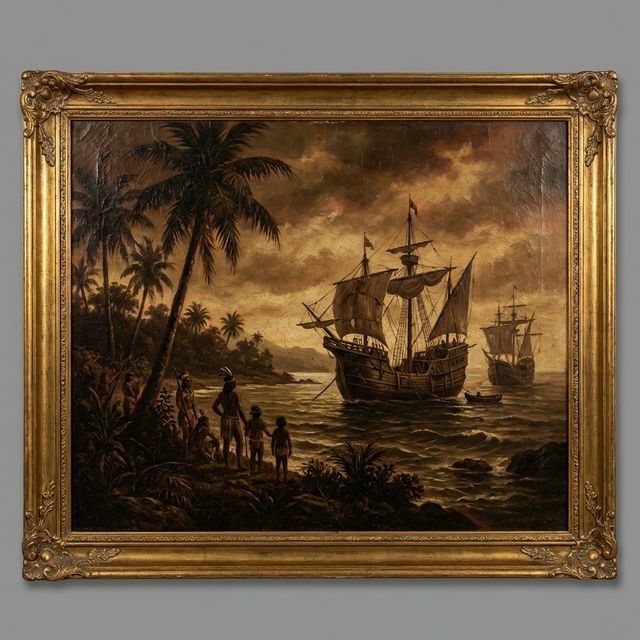
15th century European ships arriving at Caribbean shores as indigenous people watch
1452–1493

Papal bulls establish the legal framework declaring non-Christian lands 'empty' and authorizing their conquest. This doctrine becomes the foundation for all future U.S. property law and indigenous dispossession.

1452Dum Diversas papal bull authorizes Portuguese to conquer non-Christians
1455Romanus Pontifex extends sovereignty over 'discovered' lands
1493Inter Caetera divides the 'New World' between Spain and Portugal
Pope Nicholas VPope Alexander VI
Global ImpactAmericasAfrica
1493–1580

Early Documentation

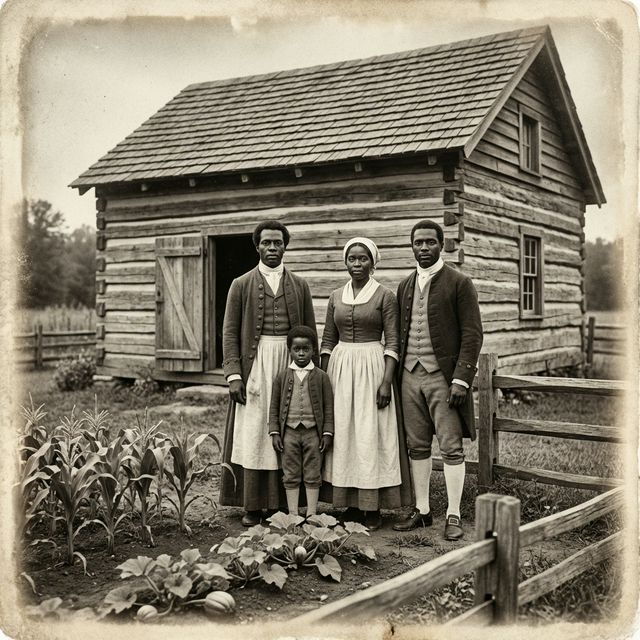
Free Black family standing outside their colonial-era home in early America
1493–1580

European explorers document extensive presence of dark-skinned indigenous peoples throughout the Americas, predating the transatlantic slave trade. Spanish, French, Dutch, and English sources consistently describe 'black natives' distinct from enslaved Africans.

1492Columbus's journals describe 'black-skinned natives' in the Caribbean
1513Spanish chronicles document black natives in Florida
1526First free black settlement established in present-day South Carolina
ColumbusBartolomé de las CasasEstevanico
CaribbeanFloridaSouth CarolinaGulf Coast
1580–1705

Racial Classification Era

Colonial-era Black community in early America
1580–1705

European powers create legal codes based on the Discovery Doctrine, establishing the racial classification system that would systematically erase indigenous Black identity and create hereditary slavery.

1606Virginia Company charter bases land claims on Discovery Doctrine
1640First legal distinction between African and indigenous servants
1662Virginia establishes hereditary slavery based on mother's status
1705Virginia's comprehensive slave codes establish rigid racial categories
Anthony JohnsonJohn Punch
VirginiaMarylandNew England Colonies
1776–1865

Constitutional Enslavement

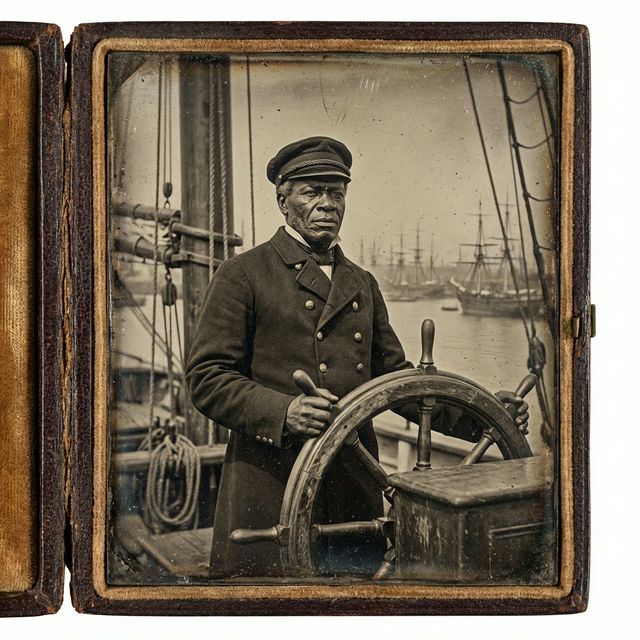
Distinguished free Black American ship captain at the helm of a merchant vessel
1776–1865

The Constitution embeds anti-FBA oppression through the Three-Fifths Compromise, Fugitive Slave Clause, and protection of the slave trade. Yet free Black communities persist, building businesses, schools, and institutions.

1787Three-Fifths Compromise counts enslaved persons as 3/5 for representation
1793Fugitive Slave Act forces free states to return escaped persons
1823Johnson v. M'Intosh denies indigenous land ownership rights
1857Dred Scott decision declares Black people are not citizens
Paul CuffeFrederick DouglassHarriet Tubman
United StatesFree StatesSlave States
1865–1900

Reconstruction & Innovation

Black American inventor working with electrical equipment in his workshop
1865–1900

An extraordinary surge: Black Americans received approximately 50,000 patents between 1870-1940. Northern FBAs achieved patenting rates nearly equal to white Americans. This 'Golden Age' of Black innovation drove America's Gilded Age industrial expansion.

186513th Amendment ends slavery — patent applications surge immediately
186814th Amendment establishes birthright citizenship
1870Beginning of Black patent explosion — 50,000 patents by 1940
1881Lewis Latimer patents carbon filament making electric light practical
1893Dr. Daniel Hale Williams performs first successful open-heart surgery
Lewis LatimerGranville WoodsMary Ellen Pleasant
Northern StatesSouthern StatesSan Francisco
1900–1924

Paper Genocide Era

Woman examining altered birth certificate documents in a government records office
1900–1924

Walter Plecker's Racial Integrity Act of 1924 systematically erases indigenous Black identity. Plecker reclassifies all indigenous Black peoples as 'colored,' alters birth certificates, and creates 'suspicious names' lists to destroy tribal recognition.

1914Garrett Morgan invents the gas mask, saves trapped miners
1921Black Wall Street destroyed — 35 blocks burned, 300 killed, 10,000 homeless
1923Rosewood, Florida — entire prosperous Black town destroyed by white mob
1924Virginia Racial Integrity Act — systematic 'paper genocide' begins
Walter Plecker (Perpetrator)Garrett Morgan
VirginiaTulsa, OklahomaRosewood, Florida
1924–1954

Jim Crow & Resilience

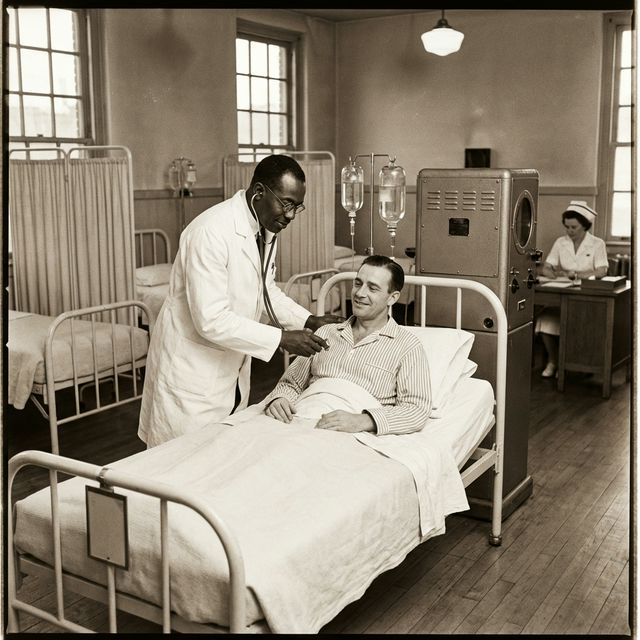
Black American doctor examining a patient in a 1940s hospital ward
1924–1954

Despite mandated segregation and systematic legal barriers, FBAs continue building institutions, innovating, and organizing. The NAACP mounts systematic legal challenges while communities develop self-sustaining economies.

1932Richard Spikes patents the automatic gear shift
1940Dr. Charles Drew revolutionizes blood plasma storage, saving WWII soldiers
1940Frederick McKinley Jones patents portable refrigeration, transforming food distribution
1954Brown v. Board of Education overturns 'separate but equal'
Dr. Charles DrewFrederick McKinley JonesGeorge Washington Carver
Southern StatesNorthern CitiesNational
1954–1975

Civil Rights & COINTELPRO

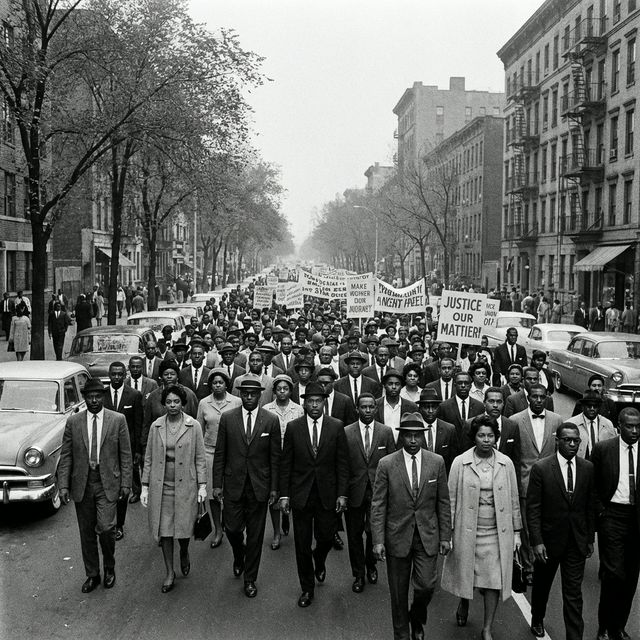
Large crowd of Black Americans marching together during the civil rights movement
1954–1975

While FBAs fight for civil rights, the FBI wages COINTELPRO — a coordinated campaign to 'disrupt, misdirect, discredit, and neutralize' Black organizations. Leaders are assassinated, communities infiltrated, and programs destroyed.

1956FBI launches COINTELPRO against Black organizations
1964Civil Rights Act prohibits discrimination
1965Malcolm X assassinated — evidence suggests FBI involvement
1966Marie Van Brittan Brown patents first home security system
1968Dr. King assassinated — family trial concludes government involvement
1969Fred Hampton drugged and killed in FBI-coordinated raid while sleeping
Dr. KingMalcolm XFred HamptonMarie Van Brittan Brown
NationalChicagoMemphisNew York
1975–2000

Mass Incarceration Era

View through chain-link fence of an urban neighborhood
1975–2000

The War on Drugs and 1994 Crime Bill create a new system of control. Crack cocaine sentencing disparities, three-strikes laws, and 'superpredator' propaganda systematically target FBA communities while highways destroy prosperous Black neighborhoods.

1980War on Drugs disproportionately targets FBA communities
1986100:1 sentencing disparity between crack and powder cocaine
1994Crime Bill: three-strikes laws, $9.7B for policing Black neighborhoods
1996'Superpredator' propaganda characterizes Black youth as inherently criminal
Hip-Hop Pioneers
Urban CentersNational
2000–Present

Identity Reclamation

Young Black American researching family history with genealogy documents
2000–Present

FBA identity movement grows as descendants of America's oldest non-immigrant group demand specific recognition, reparations, and an end to the systematic erasure of their indigenous roots and foundational contributions.

2008Housing crisis disproportionately devastates Black homeowners through predatory lending
2020National reckoning on systemic racism brings renewed focus on FBA-specific issues
2024FBA Archives project launches to document and preserve true FBA history
FBA Community LeadersDigital Archivists
NationalDigital Spaces